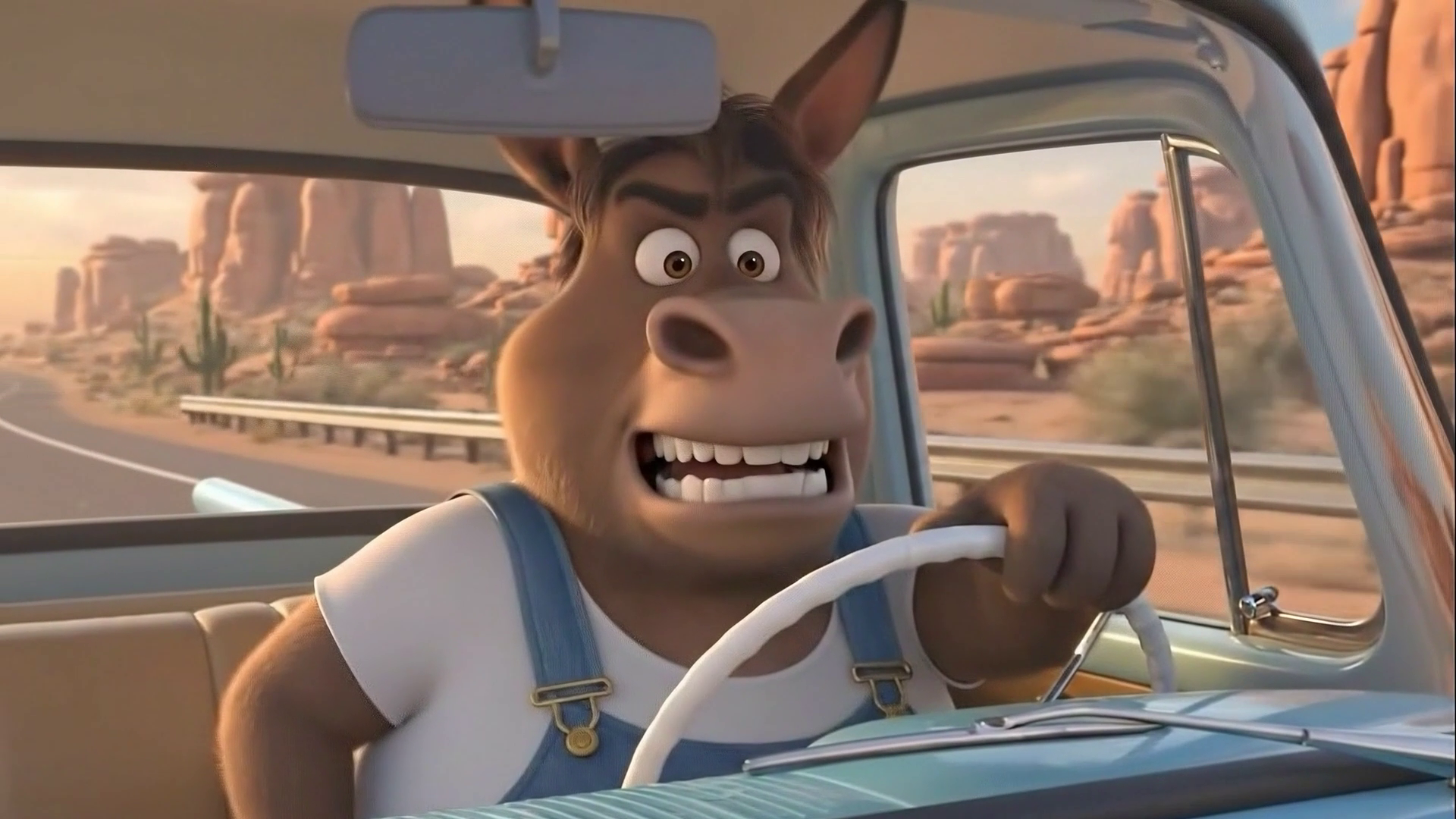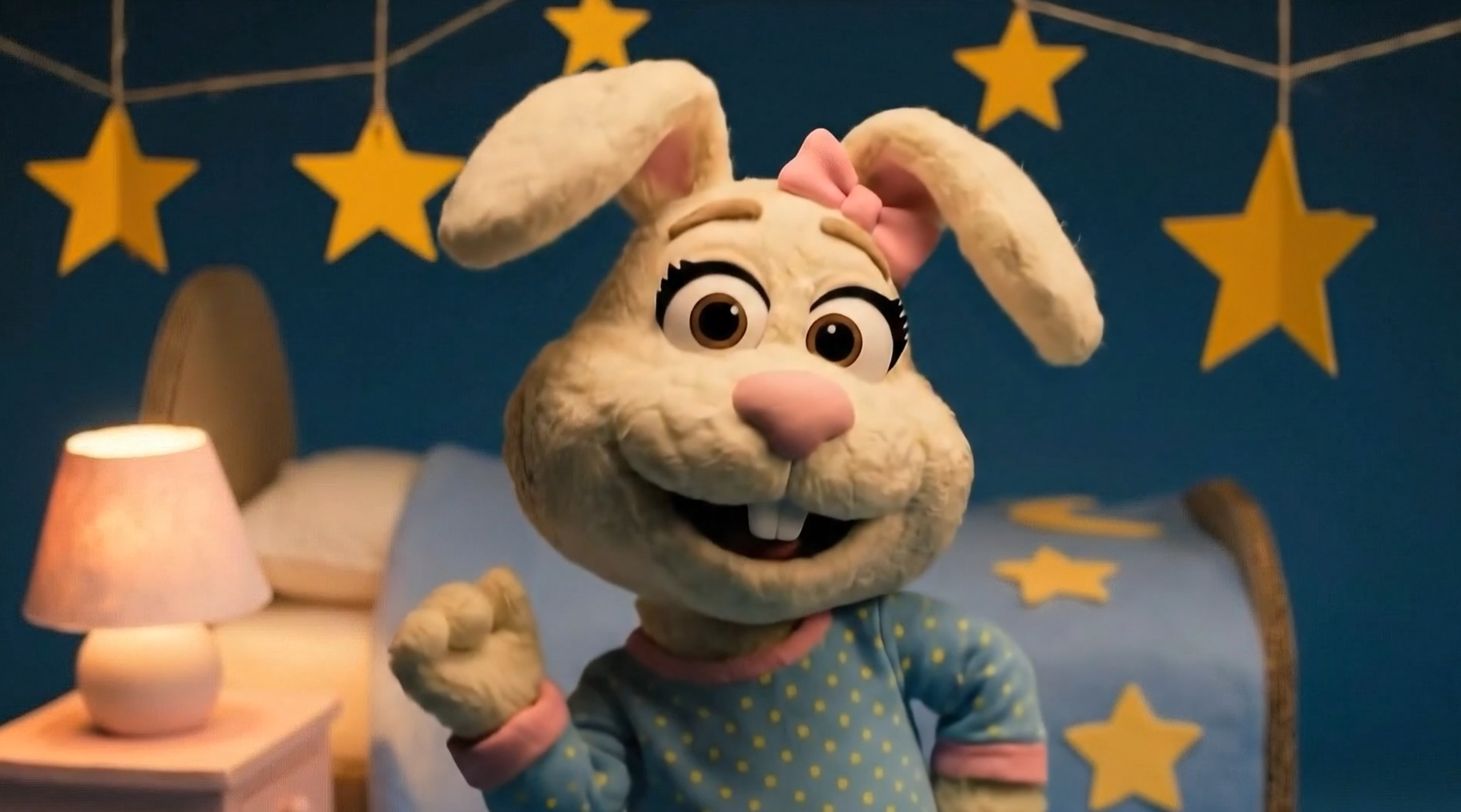
We’ve just released a one-minute first look teaser for Ghost Month, an animated feature film currently in development. For us at Inkrise, this piece represents more than a preview of a story, it’s a creative benchmark.
Over the last two years, Inkrise has been quietly building and testing AI-assisted workflows for animation. Not to replace artists, and not to chase novelty, but to understand where these tools actually help, and where they don’t. There’s been a lot of discussion about AI being useful for quick visuals, social content, or disconnected shots. What’s been less clear is whether it can support real cinematic continuity, sustained performances, and a sense of scale across multiple scenes.
This teaser was an attempt to answer that question.
Why Ghost Month
Ghost Month is a feature film rooted in Taiwanese spirit folklore and family mythology. The project has been in development for over a year and a half, with creative partners in Taiwan and the US. Late last summer, a research trip to Taipei further shaped the world, locations, and tone that now inform the film.
For this first look, we focused on sequences that would be difficult to fake with surface-level visuals, sustained action, dialogue continuity, multiple characters interacting in shared space, and wide cinematic shots that rely on geography and scale. These are the moments where shortcuts tend to break down.
How It Was Made
All character designs originated with lead character designer Pizza Chen. All environments and exterior sets were based on hand-drawn sketches created specifically for the film. From there, we used a mix of traditional tools and AI-assisted systems to iterate, test, and refine.
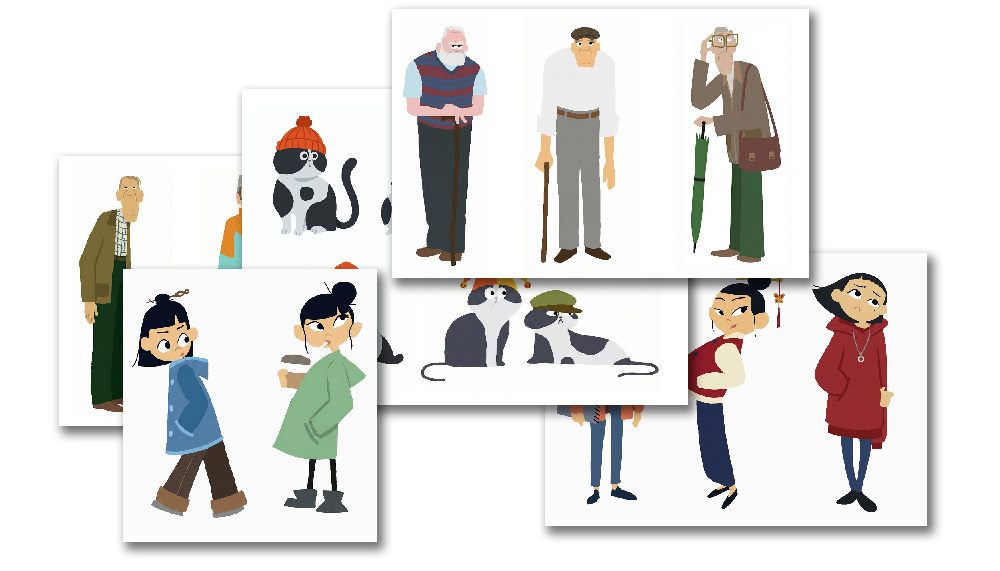
The pipeline combined Adobe Photoshop for layout and compositing, Google’s Gemini Nano Banana for visual reasoning and iteration, Veo 3.1 and Flow for shot development, and OpenArt for exploration. Music was developed using Suno, then reworked and sweetened manually using exported stems. Sound design and mixing were handled in Audacity. Voice performances were based on human acting and then processed using ElevenLabs under appropriate terms.
At every stage, artists initiated the work, made the decisions, and shaped the final result. The tools helped speed up iteration and allowed us to explore more options, but they didn’t define the creative direction.
What This Teaser Is, and Isn’t
This is not a finished sequence, and it’s not meant to represent the final look of the film. It’s a first look. A proof of possibility.
What it shows is that with clear direction, careful design, and a story-first approach, AI-assisted workflows can support more than isolated images or loosely connected shots. They can begin to handle continuity, tone, and cinematic movement in ways that are genuinely useful for larger projects.
There’s still a lot to solve. But this felt like a meaningful step forward.
Why We’re Sharing It Now
We’re sharing this openly because there’s still a lot of confusion around what AI can and can’t do in animation. We believe progress comes from showing real work, being honest about the process, and staying grounded in craft.
At Inkrise, our goal is to build workflows that help artists move faster without losing intention, clarity, or authorship. Ghost Month is one of the projects helping us test those ideas at scale.
This is just the beginning.
If you’re curious about the process, the tools, or where this is heading, we’re always open to conversation.